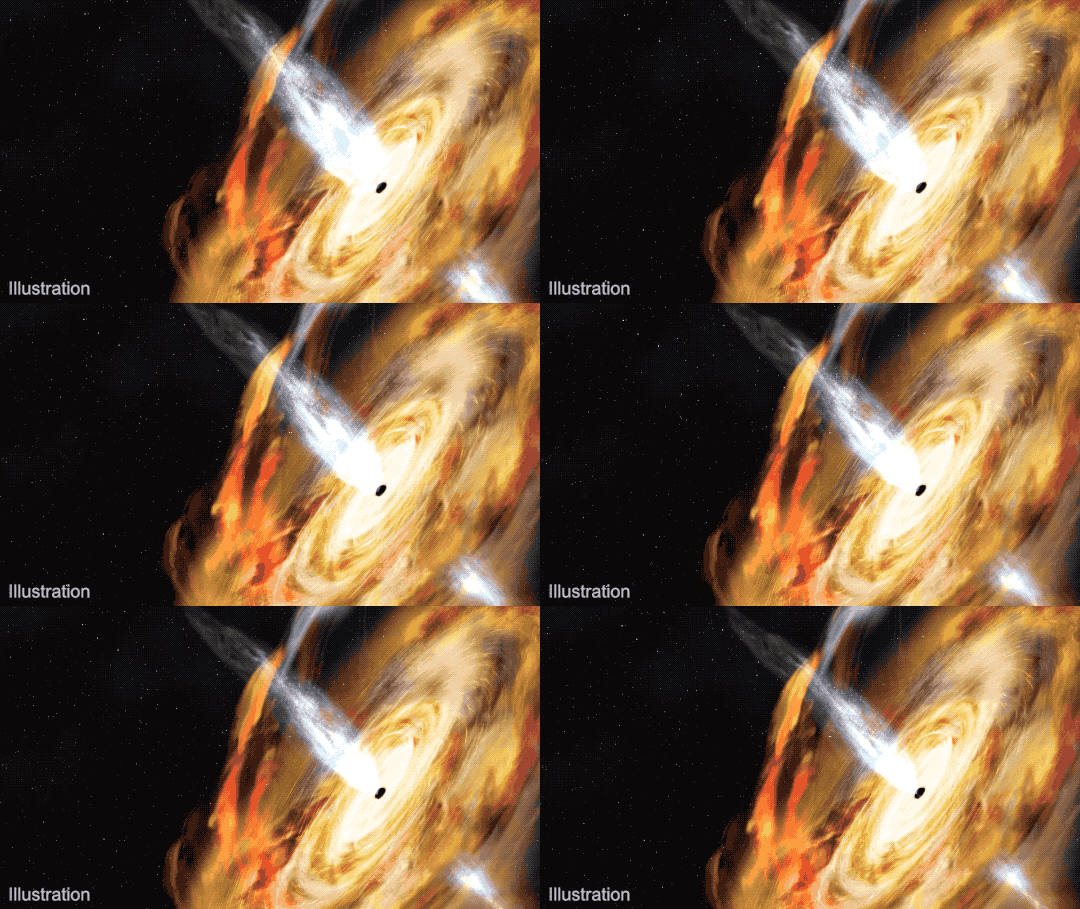
The universe is everything. It includes all of space, and all the matter and energy that space contains. It even includes time itself and, of course, it includes you.
Earth and the Moon are part of the universe, as are the other planets and their many dozens of moons. Along with asteroids and comets, the planets orbit the Sun. The Sun is one among hundreds of billions of stars in the Milky Way galaxy, and most of those stars have their own planets, known as exoplanets.
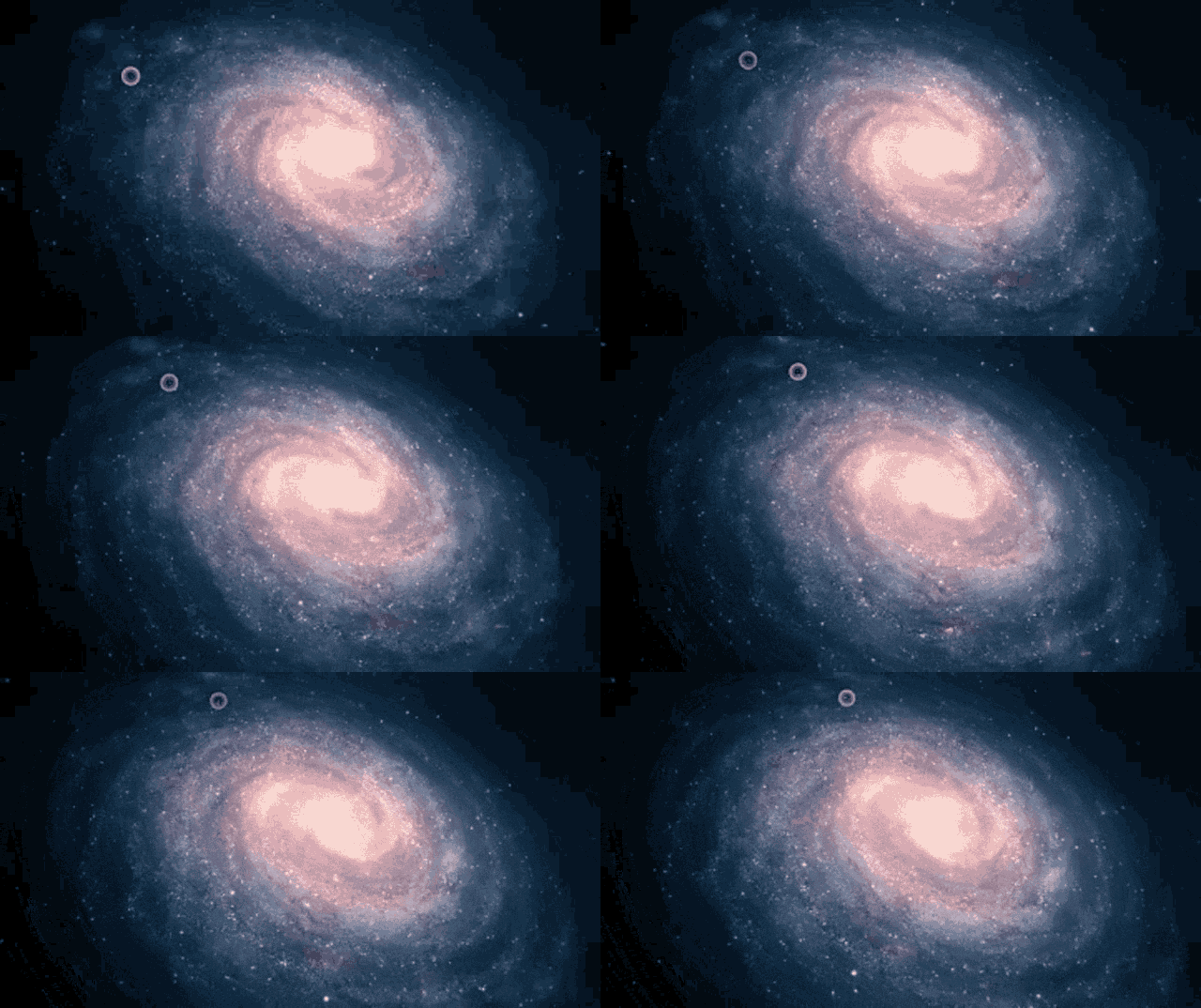
The Milky Way is but one of billions of galaxies in the observable universe — all of them, including our own, are thought to have supermassive black holes at their centers. All the stars in all the galaxies and all the other stuff that astronomers can’t even observe are all part of the universe. It is, simply, everything.
Though the universe may seem a strange place, it is not a distant one. Wherever you are right now, outer space is only 62 miles (100 kilometers) away. Day or night, whether you’re indoors or outdoors, asleep, eating lunch or dozing off in class, outer space is just a few dozen miles above your head. It’s below you too. About 8,000 miles (12,800 kilometers) below your feet — on the opposite side of Earth — lurks the unforgiving vacuum and radiation of outer space.
In fact, you’re technically in space right now. Humans say “out in space” as if it’s there and we’re here, as if Earth is separate from the rest of the universe. But Earth is a planet, and it’s in space and part of the universe just like the other planets. It just so happens that things live here and the environment near the surface of this particular planet is hospitable for life as we know it. Earth is a tiny, fragile exception in the cosmos. For humans and the other things living on our planet, practically the entire cosmos is a hostile and merciless environment.
How old is the Universe?
The universe, on the other hand, appears to be about 13.8 billion years old. Scientists arrived at that number by measuring the ages of the oldest stars and the rate at which the universe expands. They also measured the expansion by observing the Doppler shift in light from galaxies, almost all of which are traveling away from us and from each other. The farther the galaxies are, the faster they’re traveling away. One might expect gravity to slow the galaxies’ motion from one another, but instead they’re speeding up and scientists don’t know why. In the distant future, the galaxies will be so far away that their light will not be visible from Earth.
What is the universe made of?
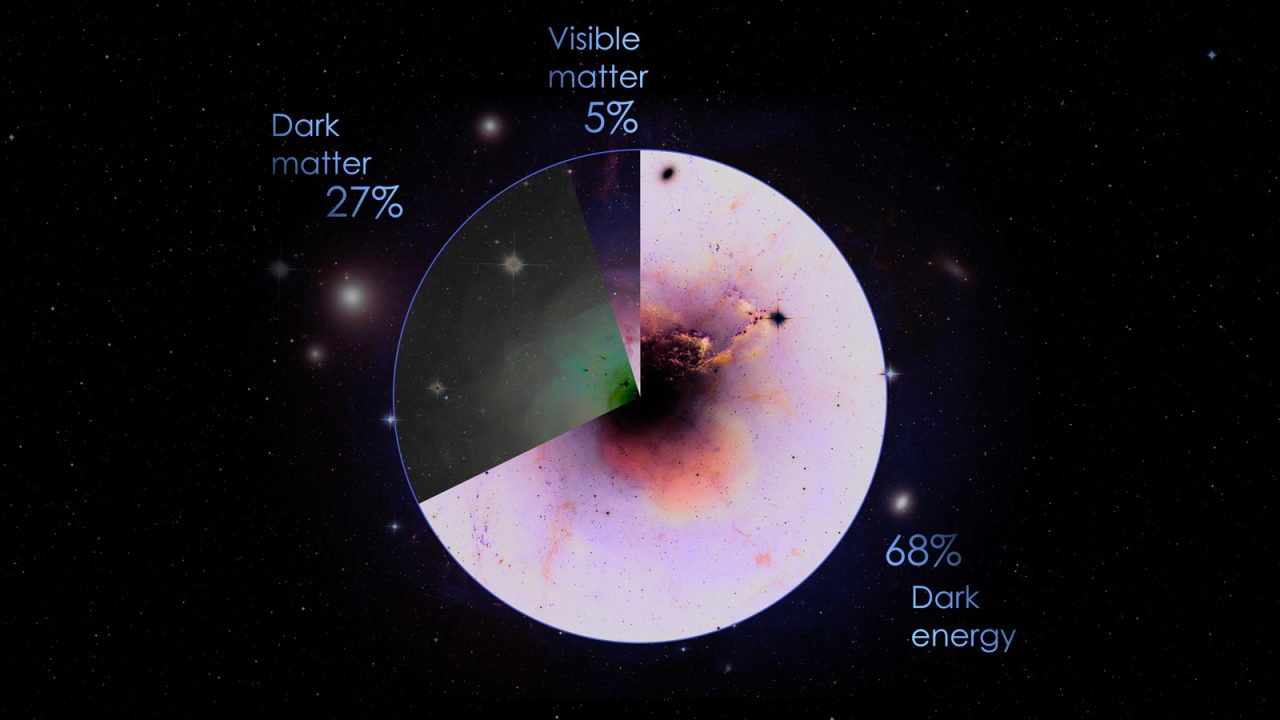
The universe contains all the energy and matter there is. Much of the observable matter in the universe takes the form of individual atoms of hydrogen, which is the simplest atomic element, made of only a proton and an electron (if the atom also contains a neutron, it is instead called deuterium). Two or more atoms sharing electrons is a molecule. Many trillions of atoms together is a dust particle. Smoosh a few tons of carbon, silica, oxygen, ice, and some metals together, and you have an asteroid. Or collect 333,000 Earth masses of hydrogen and helium together, and you have a Sun-like star.
The universe is nearly 14 billion years old, our solar system is 4.6 billion years old, life on Earth has existed for maybe 3.8 billion years, and humans have been around for only a few hundred thousand years. In other words, the universe has existed roughly 56,000 times longer than our species has. By that measure, almost everything that’s ever happened did so before humans existed. So of course we have loads of questions — in a cosmic sense, we just got here.
Our first few decades of exploring our own solar system are merely a beginning. From here, just one human lifetime from now, our understanding of the universe and our place in it will have undoubtedly grown and evolved in ways we can today only imagine.
More...
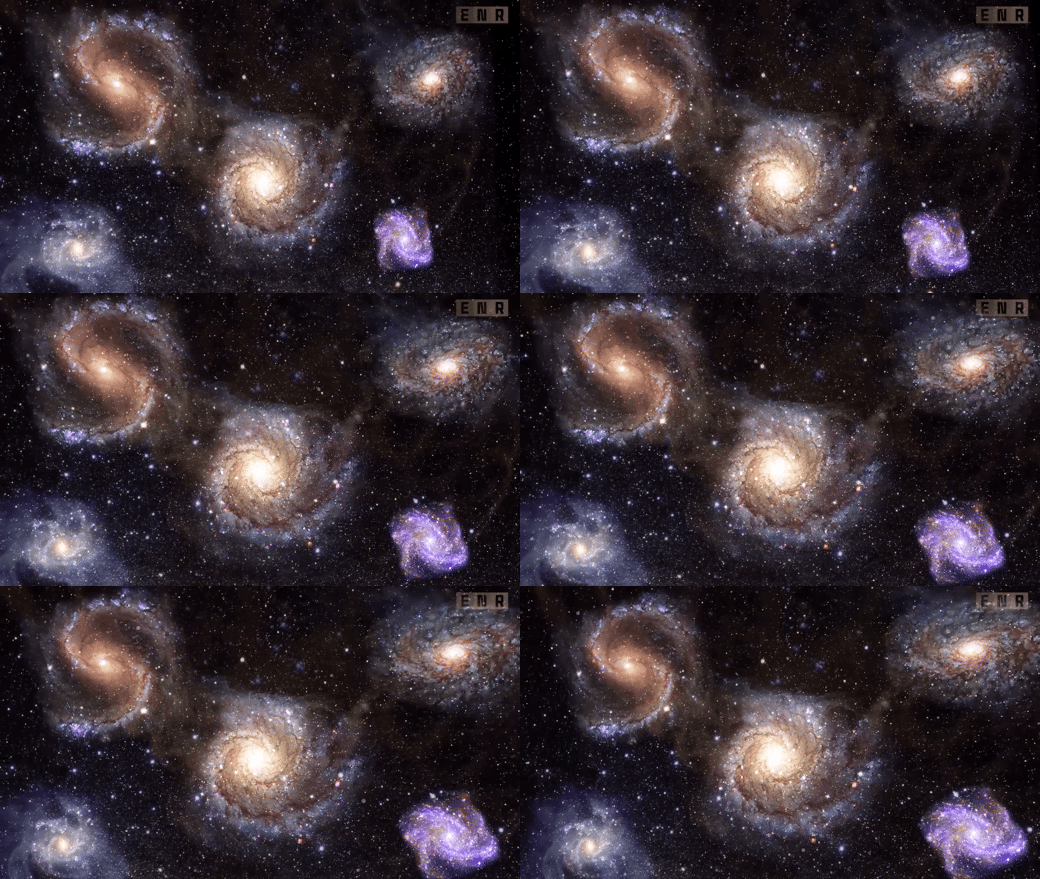
Galaxies
Nebulae