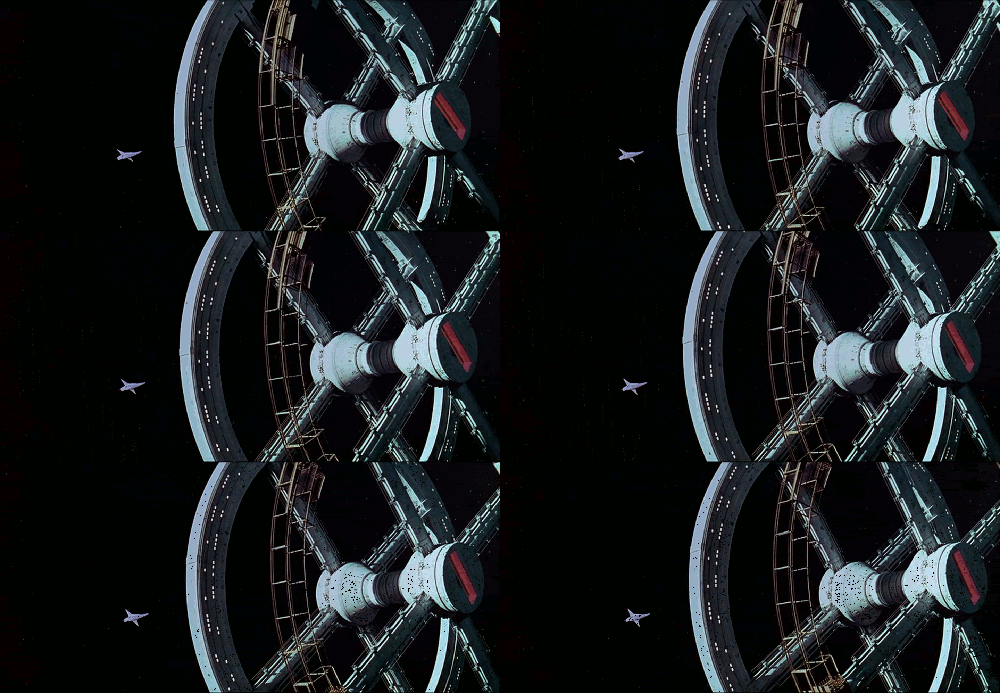
Space exploration, once a distant dream, has become a reality, profoundly shaping our world. It's not just about reaching for the stars; it's about unlocking new frontiers of knowledge, technology, and international cooperation.
A Brief History of Space Travel
The journey into space began in the mid-20th century, marked by the launch of Sputnik-1 by the Soviet Union in 1957. This event ignited the Space Race, a competition between the United States and the Soviet Union to dominate space exploration.
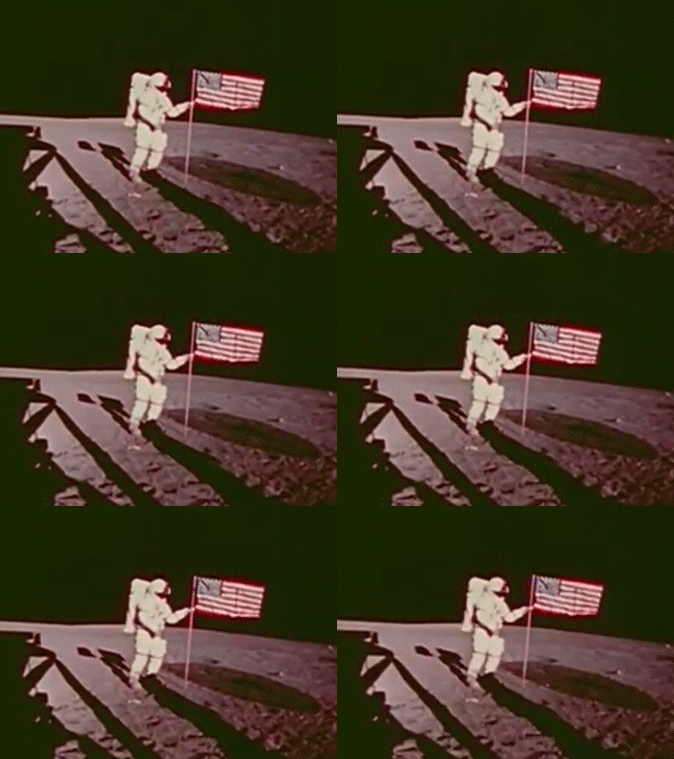
Key milestones include:
| • Yuri Gagarin becoming the first human in space in 1961. |
| • Neil Armstrong and Buzz Aldrin making the first human landing on the Moon in 1969. |
| • The launch of the International Space Station in 1998. |
Current Missions: Exploring the Cosmos
Today, space exploration continues to be a dynamic field with numerous ongoing missions. Agencies like NASA, ESA, ISRO, Roscosmos, and JAXA are exploring various celestial bodies and conducting scientific research.
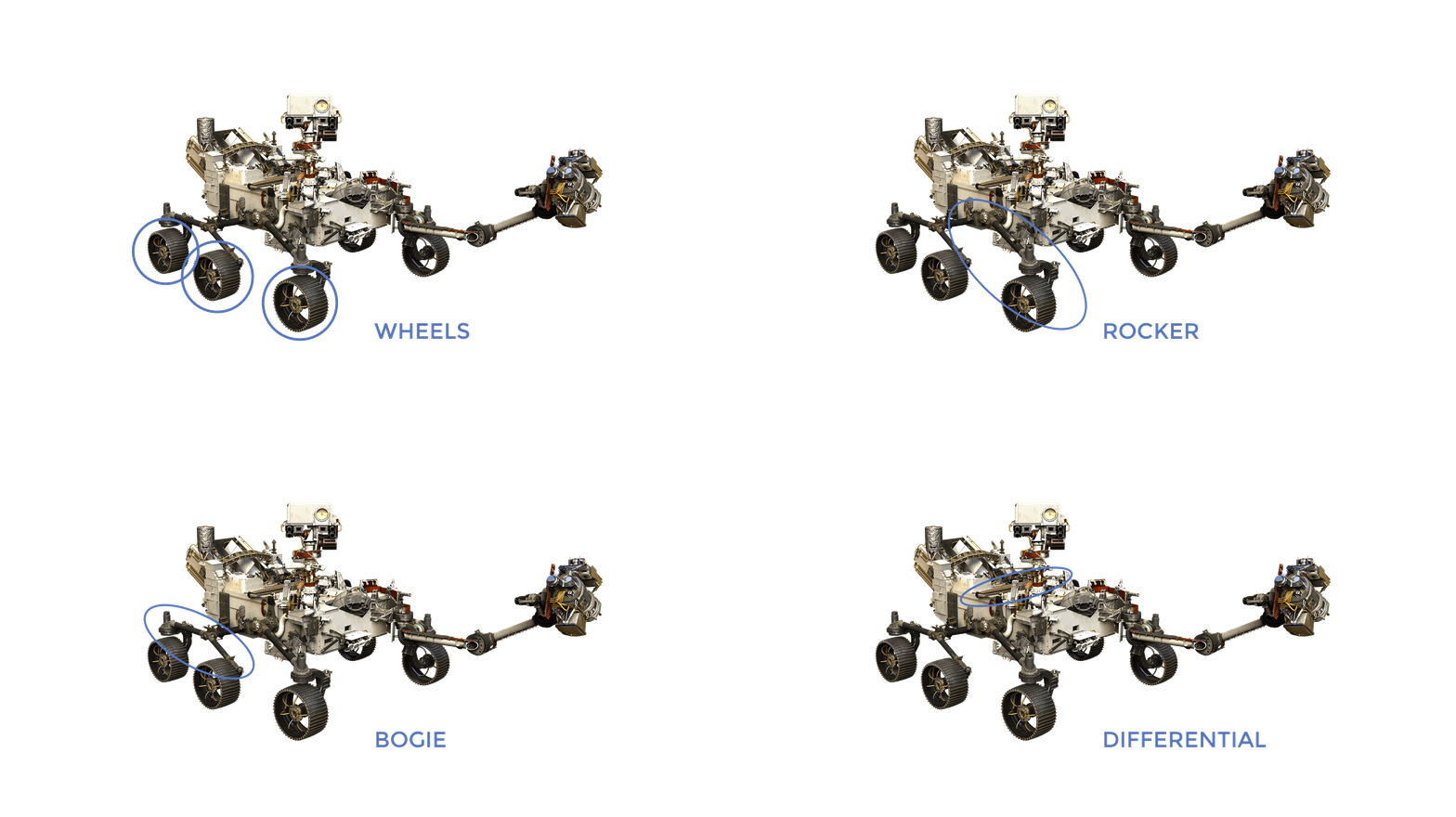
Some notable current missions include:
| • Mars exploration: | Rovers like Curiosity and Perseverance are studying the Red Planet's past and present. |
|---|---|
| • Lunar exploration: | Missions aim to establish a sustainable lunar presence. |
| • Deep space exploration: | Probes like Voyager 1 and 2 are exploring the outer solar system and interstellar space. |
Future Missions:Reaching for the Stars
The future of space exploration is filled with exciting possibilities. Scientists and engineers are working on ambitious projects, such as:
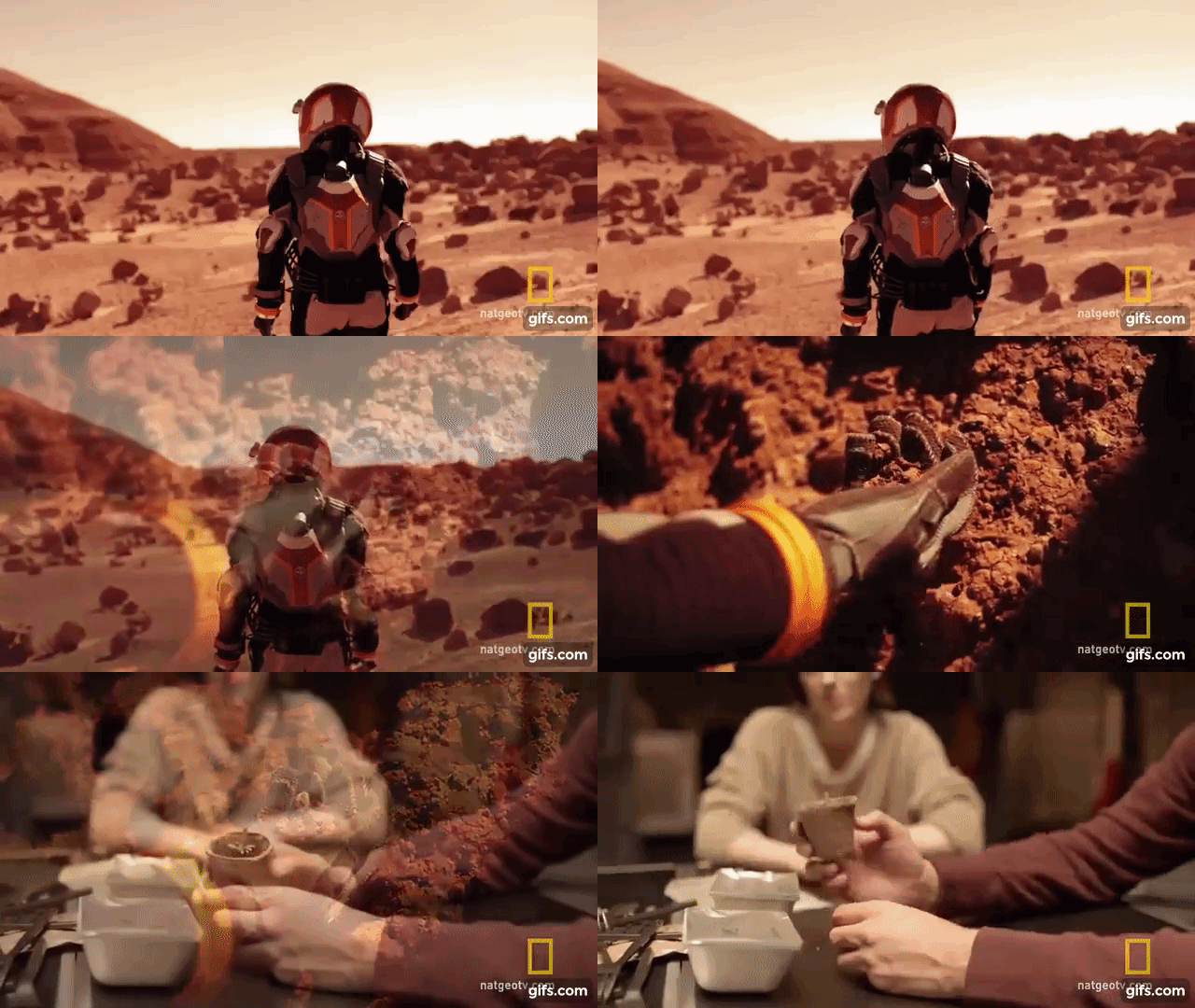
| • Mars colonization: | Establishing a permanent human settlement on Mars. |
|---|---|
| • Asteroid mining: | Extracting valuable resources from asteroids. |
| • Space tourism: | Commercial spaceflight companies offering suborbital flights and potential future trips to the Moon and Mars. |
How Space Exploration is Changing the World
Space exploration has had a profound impact on various aspects of our lives:
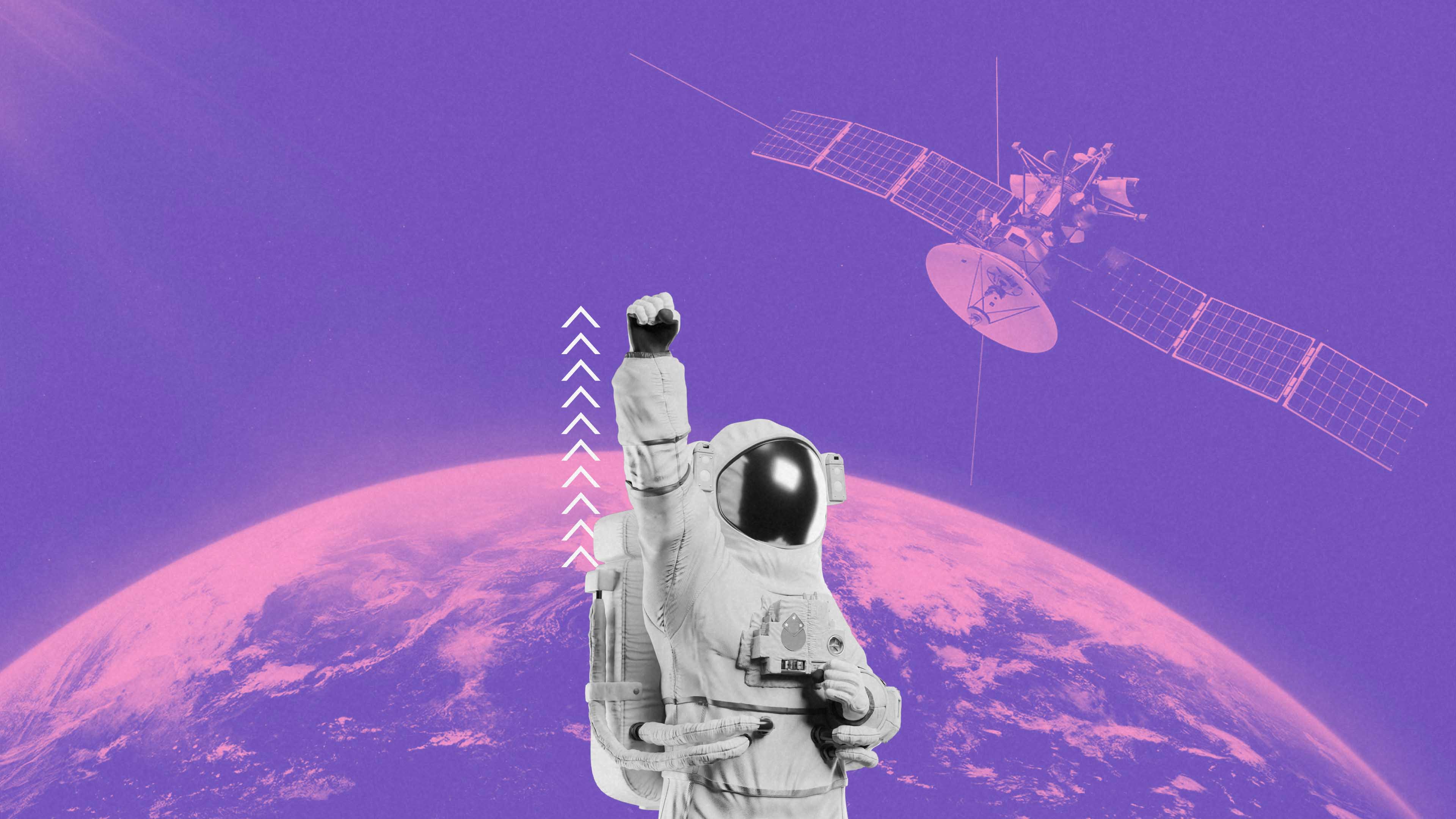
| • Technological advancements: | Innovations developed for space exploration have found applications in everyday life, such as GPS, satellite communications, and medical imaging. |
|---|---|
| • International cooperation: | Space exploration has fostered cooperation between nations, promoting peace and understanding. |
| • Scientific discoveries: | Space missions have provided valuable insights into the universe, from the formation of galaxies to the search for extraterrestrial life. |
| •Inspiration and education: | Space exploration inspires future generations to pursue careers in STEM fields and fosters a sense of wonder and curiosity about the cosmos. |
As we continue to explore the universe, space exploration promises to shape our future in ways we can only imagine. It's a testament to human ingenuity, a catalyst for innovation, and a source of endless wonder.
More...
History of Space Travel

Current Missions