Dwarf Planets: A Celestial Frontier
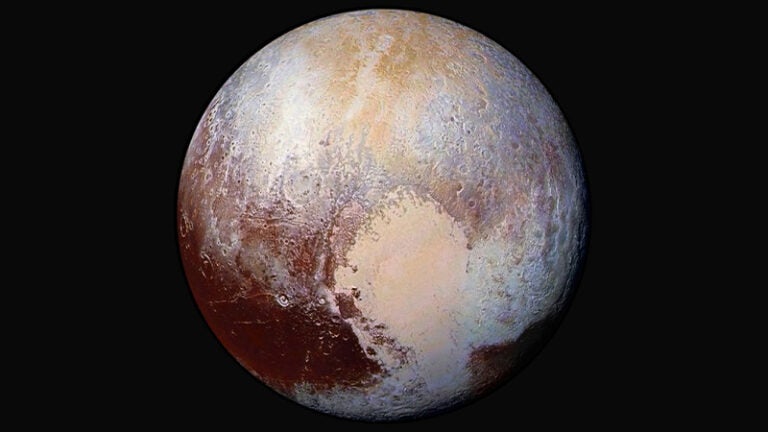
Dwarf planets, a relatively new classification in astronomy, represent a unique category of celestial bodies that straddle the line between planets and small solar system bodies. While they share certain characteristics with planets, such as being spherical and orbiting the Sun, they lack the gravitational dominance required to clear their orbital path of debris. This distinction sets them apart from the eight major planets of our solar system.
Defining Dwarf Planets

The International Astronomical Union (IAU) established the criteria for dwarf planets in 2006. According to the IAU, a dwarf planet must meet the following conditions:
- 1.) Orbits the Sun:
- It must orbit the Sun directly, not a moon of another object.
- 2.) Has sufficient mass and gravity to achieve hydrostatic equilibrium:
- This means it has a nearly spherical shape due to its own gravity.
- 3.) Has not cleared out the debris in its orbital path:
- Unlike planets, dwarf planets have not gravitationally dominated their orbit, leaving behind remnants and debris.
- 4.) Is not a moon:
- It must not be a moon of another planet.
Notable Dwarf Planets
Several celestial bodies have been classified as dwarf planets. Here are some of the most prominent ones:
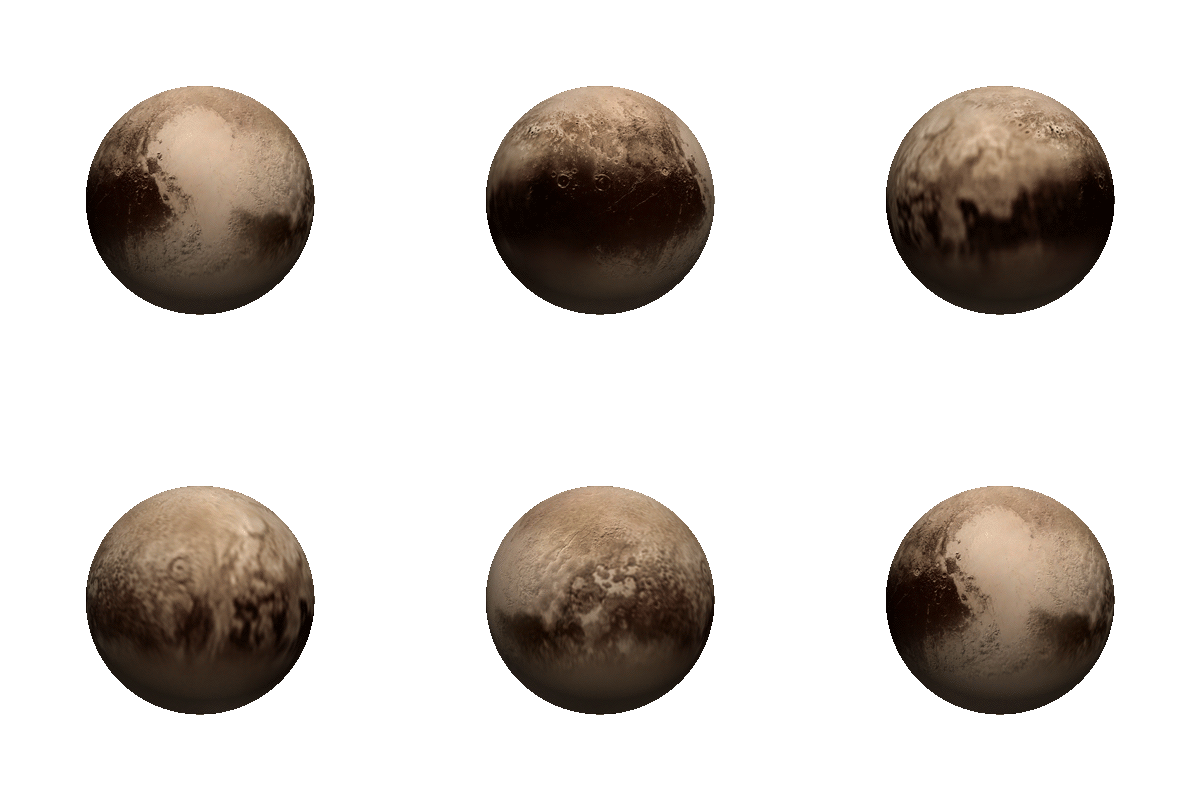
1. Pluto
Perhaps the most well-known dwarf planet, Pluto was once considered a ninth planet. However, its reclassification in 2006 sparked significant debate. Pluto is located in the Kuiper Belt, a region beyond Neptune's orbit. It has five moons, including Charon, its largest moon.
2. Eris
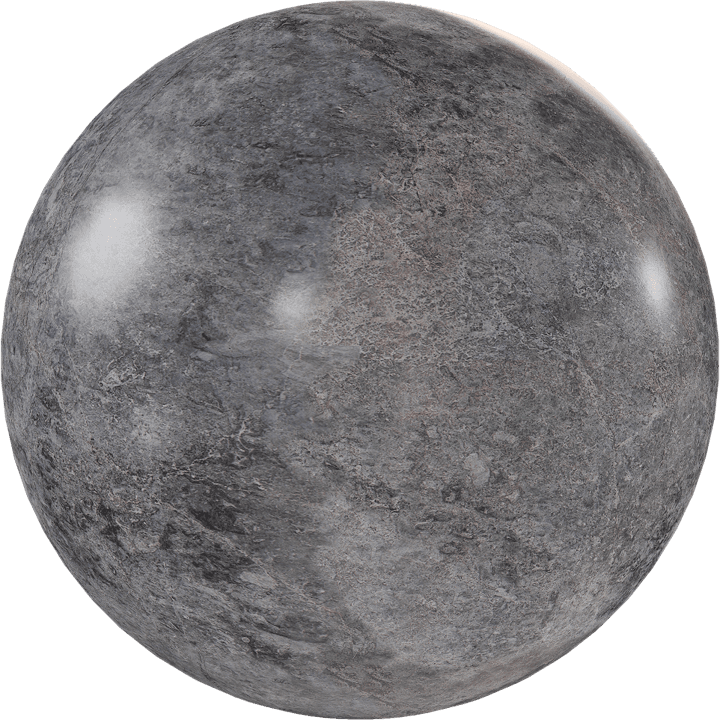
Eris is a dwarf planet located in the Kuiper Belt. It is slightly more massive than Pluto and has one moon, Dysnomia. Its discovery played a key role in the debate that led to Pluto's reclassification.
3. Ceres

Ceres is a dwarf planet located in the asteroid belt between Mars and Jupiter. It is the largest object in the asteroid belt and has been visited by NASA's Dawn spacecraft. Ceres is believed to have a rocky core and an icy mantle.
4. Makemake
Makemake is a dwarf planet located in the Kuiper Belt.

It is one of the coldest places in the solar system and has no known moons.
5.Haumea

Haumea is a dwarf planet located in the Kuiper Belt. It has an unusual elongated shape and two moons, Hiʻiaka and Namaka. Haumea is believed to have been involved in a collision that created a family of smaller objects.
The Search for More Dwarf Planets

As astronomers continue to explore the outer solar system, they are likely to discover more dwarf planets. The Kuiper Belt and the Oort Cloud, a vast region of icy objects far beyond the Kuiper Belt, are prime hunting grounds for these celestial bodies. The discovery of new dwarf planets will help us better understand the formation and evolution of our solar system.
The Debate Over Dwarf Planet Classification
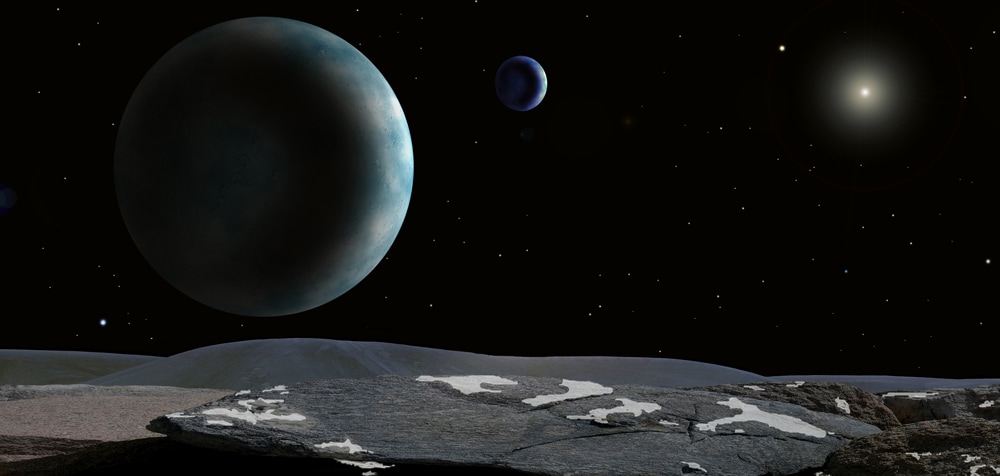
The classification of dwarf planets remains a subject of debate among astronomers. Some argue that the current definition is too restrictive and that objects like Pluto should be considered planets. Others contend that the current definition accurately reflects the unique nature of these celestial bodies.
Regardless of the ongoing debate, dwarf planets represent a fascinating and diverse group of objects in our solar system. Their study provides valuable insights into the formation and evolution of our cosmic neighborhood. As our understanding of the universe continues to grow, so too will our knowledge of these intriguing celestial objects.
More...
Sun
Moon
Asteroids & Comets

Planets
