The Solar System, a vast cosmic neighborhood, is a collection of celestial bodies orbiting a central star, the Sun. This intricate system is composed of eight planets, countless asteroids, comets, moons, and other smaller objects. The Sun, a massive sphere of plasma, provides the energy that sustains life on Earth and influences the dynamics of the entire system.

The planets of the Solar System can be categorized into two main groups:

1.) The Terrestrial planets and
2.) The Gas giants.
The Terrestrial planets, Mercury, Venus, Earth, and Mars, are rocky, smaller, and denser, with solid surfaces.
The Gas giants, Jupiter, Saturn, Uranus, and Neptune, are much larger, gaseous, and composed primarily of hydrogen and helium. These planets have no solid surfaces and are characterized by their massive size and atmospheric features.
More...
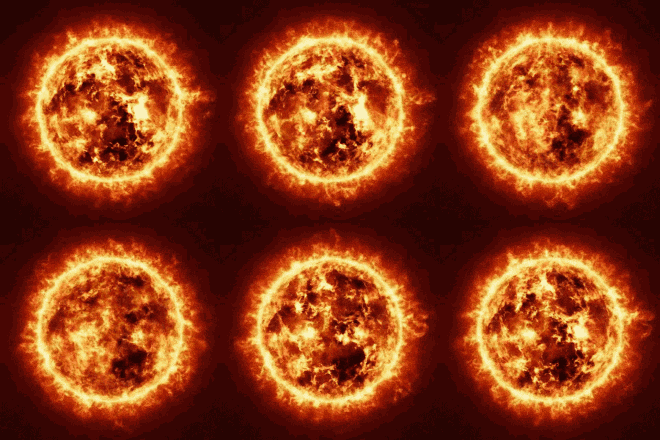
Sun
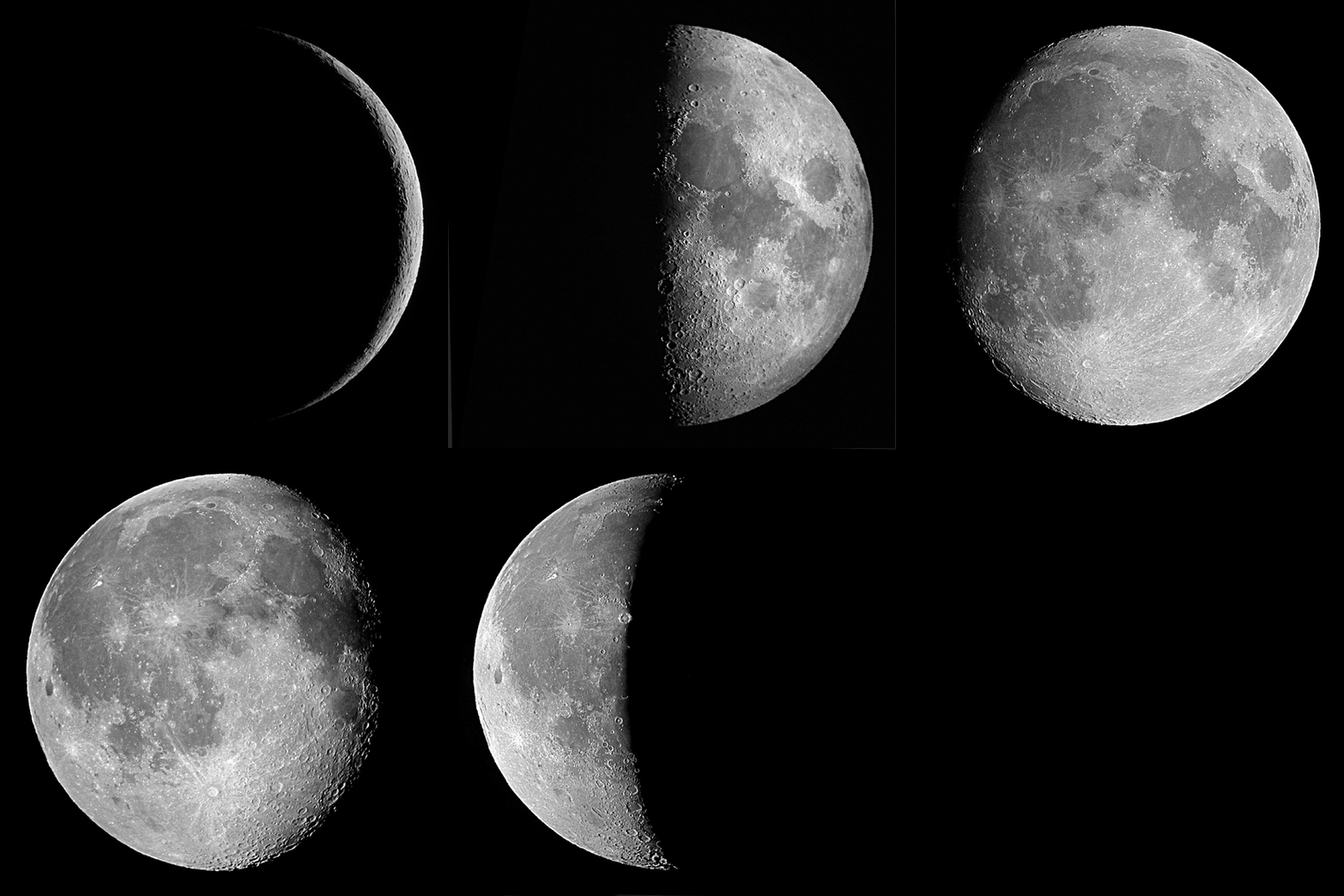
Moon
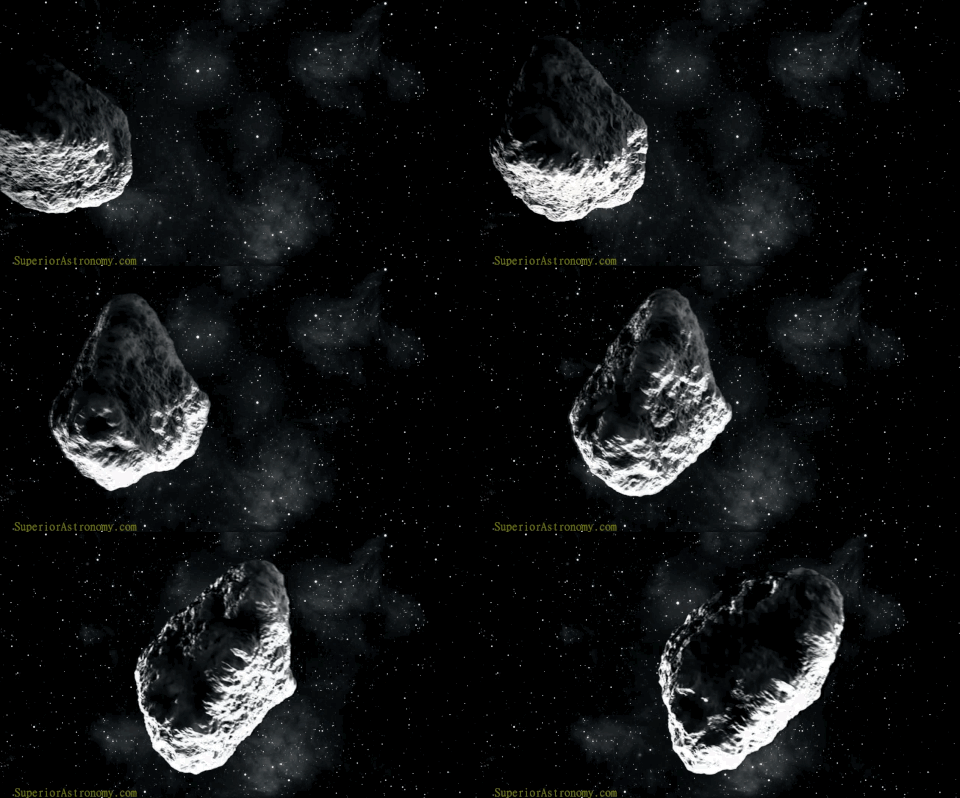
Asteroids & Comets

Planets
